Understanding IPTV, Online TV, and Streaming: Key Differences Explained
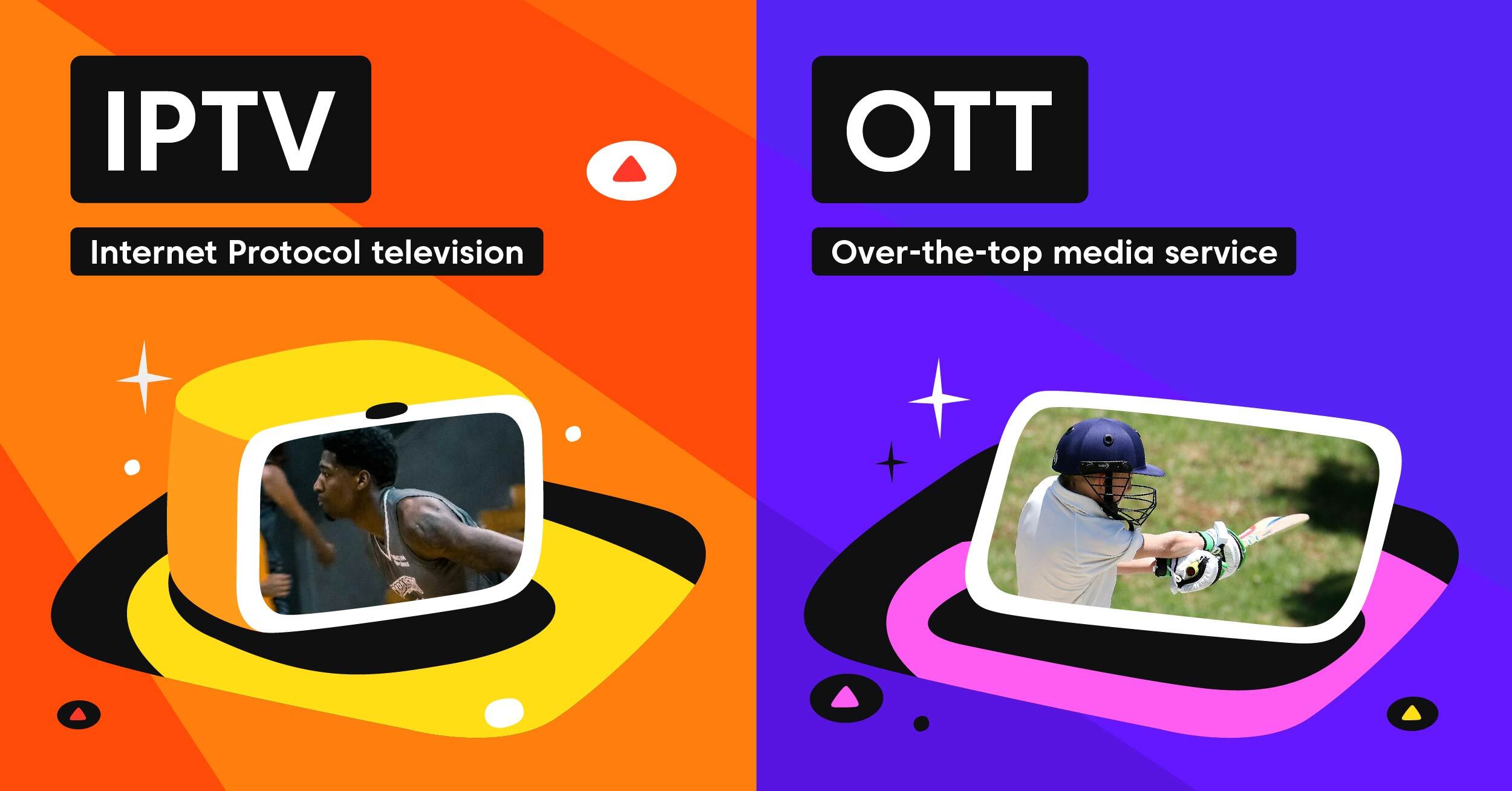
The terms IPTV, online TV, and streaming are often used interchangeably, but they do not always mean the same thing. Understanding the differences can help users make informed decisions about how they access television content online.
IPTV, or Internet Protocol Television, generally refers to the delivery of television content using Internet protocols rather than traditional broadcast methods. IPTV services are often provided by telecom or media companies and may require subscriptions or specific applications.
Online TV is a broader term that describes television content available through websites or web-based platforms. This can include live broadcasts, on-demand programs, and publicly available streams accessible through a standard browser.
Streaming refers to the method of delivering media content continuously over the internet. Streaming technology allows video to play in real time without requiring the entire file to be downloaded first. Both IPTV and online TV rely on streaming technology to function.
It is important to note that content availability, legality, and access rights vary depending on the source and the user’s location. Many platforms operate as directories that reference streams made available by third parties, and they do not host or control the content directly.
By understanding these distinctions, users can better navigate online TV platforms and choose solutions that align with their viewing preferences and regional regulations.
Related Channels
Written by The TV Pass Team





0 Comments